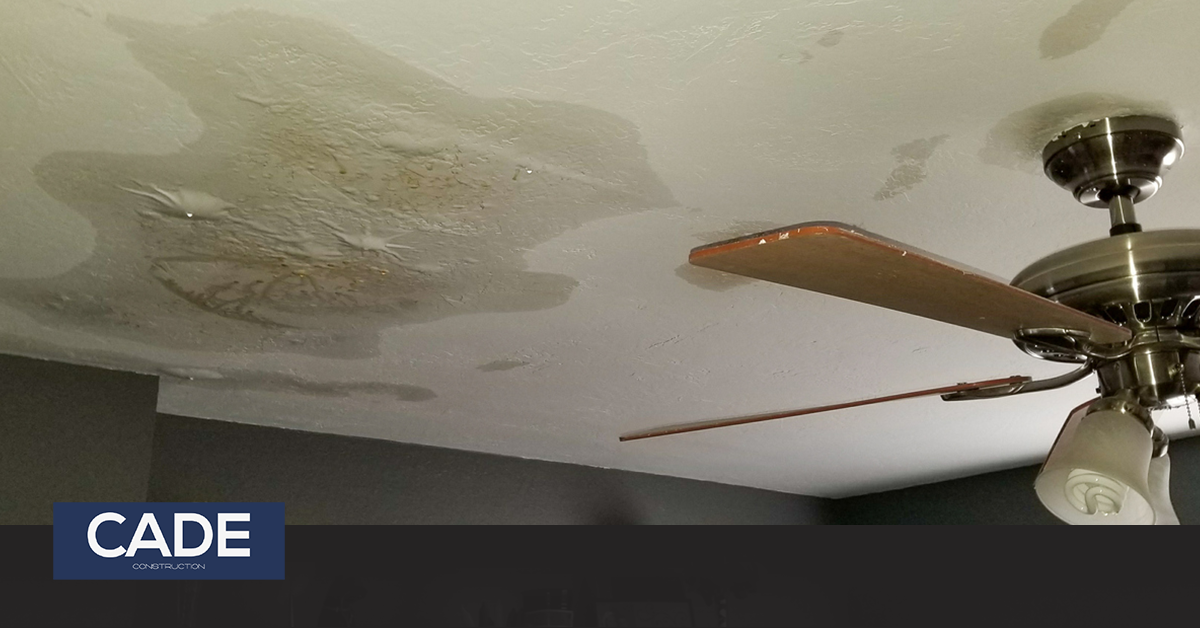
If you have a roof leak that keeps coming back, you’re not alone. It can be confusing when the roof looks fine from the ground, and there is no obvious damage in the attic, but you still notice ceiling stains, damp drywall, or moisture after a heavy rain.
In many homes, the source is flashing. Understanding why roof flashing failures are a common cause of roof leaks can help you make informed decisions about roof repairs.
What Is Roof Flashing?
Flashing is a thin metal sheeting that protects the areas where your roof meets other surfaces. You will usually find it around chimneys, skylights, walls, and valleys. Its job is to guide water away from spots shingles cannot cover on their own. When installed and maintained properly, flashing helps guide water off the roof and away from leak-prone areas.
Common Causes of Roof Flashing Failures
Several factors can weaken flashing or create small openings for water, including:
- Age and wear: Flashing can loosen, rust, or shift as the roof expands and contracts through seasonal temperature changes.
- Installation concerns: Flashing needs to be layered correctly with shingles and other roofing materials so water moves over it, not behind it.
- Caulk-only repairs: Caulk can be helpful in some situations, but it is not a long-term substitute for properly installed flashing. Over time, sun, moisture, and temperature changes can wear it down.
- Storm damage: Wind, heavy rain, hail, and fallen debris can bend flashing, loosen fasteners, or expose small gaps around roof transitions.
Where Flashing Problems Show Up Most Often
For homeowners in Virginia, a few areas are especially common:
- Chimney flashing: It consists of several pieces that work together. If one piece is loose, worn, or not layered correctly, water can get in. When that happens, a chimney flashing leak can resurface later, even if the roof seemed fine for a while.
- Skylight flashing: Skylights use flashing systems designed for the specific skylight model. If a previous installer used generic flashing, relied too heavily on caulk, or skipped part of the manufacturer’s system, skylight flashing problems can develop over time.
- Step flashing along walls: Step flashing runs along roof-to-wall junctions. It is made from a series of overlapping metal pieces, not one long strip. If an older repair covered worn parts instead of replacing them, it may only last a limited time. Step flashing is often worth checking when moisture appears near an exterior wall, dormer, or second-story transition.
Why Your Roof Keeps Leaking After It Was “Fixed”
Recurring leaks often happen when a repair addresses the visible moisture but not the source. A longer-lasting fix starts with identifying the area of flashing that needs attention. If you need flashing repair in Richmond, VA, work with a contractor who understands how to repair or replace flashing systems.
Get a Free Roof Leak Diagnosis From Cade Construction
At Cade Construction, we provide honest, transparent assessments from a responsive team to help you clearly understand your options. We believe in good people doing good work. Get a quote, and we’ll help you choose the best next step for your roof.