Richmond weather can shift quickly. One part of the day may be calm, and later, heavy rain, wind, hail, or hurricane remnants may move through your area. Once the weather clears, a simple roof check can give you peace of mind. A post-storm roof inspection in Virginia can help you spot possible damage early, document what you see, and decide whether it makes sense to have a roofer take a closer look.
When you need to know what to do after a major storm, this roof checklist for Virginia homeowners is a good place to start.
1. Start With Safety
Keep your inspection simple and ground-based. Roof surfaces may be wet, and branches or outdoor items may still be around your home after the storm. If you do not have a clear view from the ground, a window, or another safe spot, schedule a professional inspection instead. A trained roofer can review the roof closely and explain what they see.
2. Check the Roof From the Ground
Walk around your home and view the roof from a few different angles. Binoculars can help you see more detail without using a ladder.
Use this storm damage checklist when checking for hail-storm roof damage:
- Shingle changes: Look for shingles that seem lifted, curled, shifted, missing, or different from the surrounding area.
- Hail marks: Check for small dark spots, dents, or areas where shingle granules have worn away. These marks can show where the roof may need closer attention.
- Branches or debris: Look for leaves, limbs, or other materials gathered in roof valleys or drainage paths.
- Flashing and roof edges: Check around chimneys, skylights, vents, and roof-to-wall areas for flashing that looks lifted, bent, or separated.
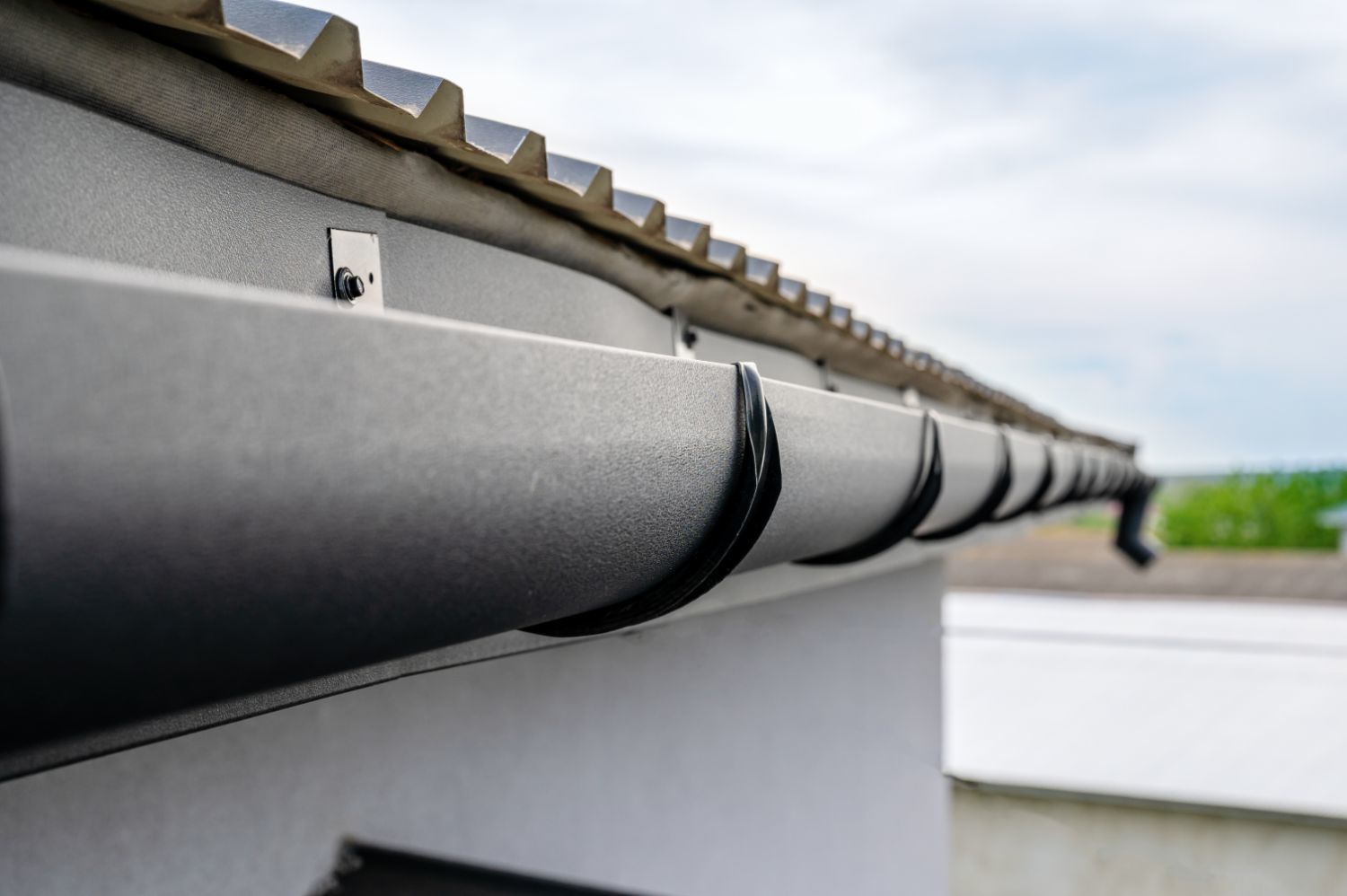
3. Look at Gutters and Downspouts
Gutters can offer helpful clues after a storm. Check for extra shingle granules, dents, bent sections, loose fasteners, or debris buildup. When gutters are clear and aligned, they can move water away from the home more effectively.
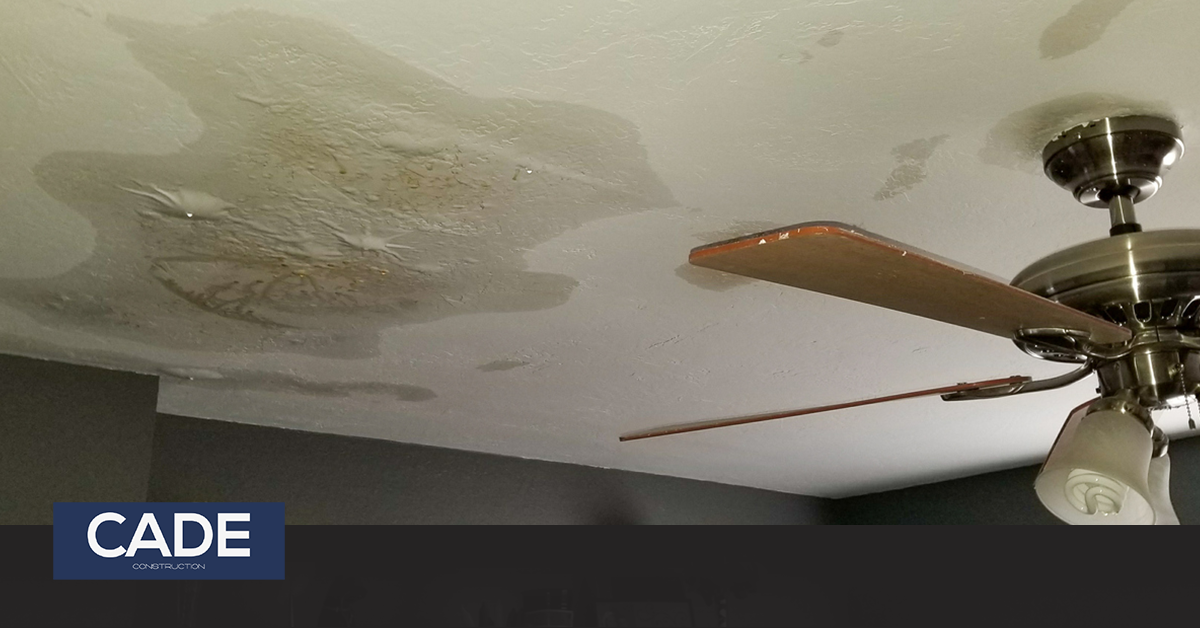
4. Check Inside Your Home
Inside, look at ceilings, upper walls, and attic areas. New stains, damp spots, musty smells, wet insulation, or light showing through the roof deck are all worth noting for your roofer.
5. Take Photos After a Hurricane or Strong Storm
An after-hurricane roof check in Richmond is a smart step because wind and rain can affect several roof areas at once. Take photos of anything that looks different, so you have clear notes to share.
Schedule a Professional Roof Assessment
If you notice a roof issue that needs a closer look, document it and contact a licensed roofing contractor. Cade Construction offers honest assessments, clear explanations, and detailed documentation to help you understand your options. Request a quote, and our team will help you choose the right next step for your roof.